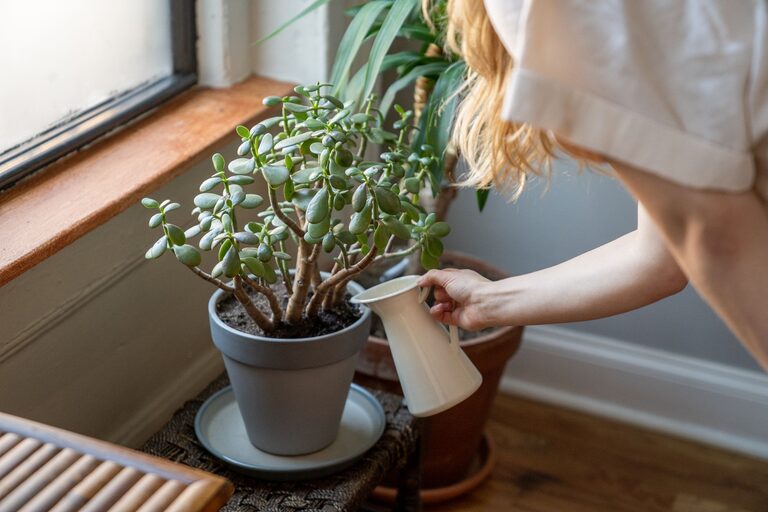
Houseplants can brighten a room, improve its appearance, and bring a little nature indoors. While every plant has its own needs, most houseplants stay healthy when they receive the right balance of light, water, air, nutrients, and attention.
You do not need a complicated routine to care for indoor plants. A few consistent habits can help prevent common problems such as yellow leaves, wilting, slow growth, and pests. Use the following tips to create a healthier environment for your plants.
Choose the Right Location
The location of a plant can make a major difference in its health. Before placing a plant, consider how much natural light enters the room and how the temperature changes throughout the day.
Match Plants With Available Light
Some plants need bright, direct sunlight, while others prefer filtered or low light. Read the care label or research the plant’s basic needs before choosing a location.
– Place sun-loving plants near a bright, unobstructed window.
– Keep plants that prefer indirect light a few feet away from sunny windows.
– Use sheer curtains to soften strong afternoon sunlight.
– Rotate pots every week or two so all sides receive light evenly.
Too much direct sun can cause pale or scorched leaves. Too little light may lead to slow growth, weak stems, or leaves that turn yellow. If a plant is stretching toward a window, it may need more light.
Also keep plants away from heating vents, air conditioners, drafty doors, and cold windows. Sudden temperature changes can stress many indoor plants.
Water Carefully
Watering is one of the most important parts of houseplant care, but it is also one of the easiest tasks to get wrong. Many plants suffer because they are watered too often rather than too little.
Check the soil before adding water. For many plants, the top inch of soil should feel dry before you water again. Insert your finger into the soil or use a moisture meter if you prefer a more precise check.
When watering:
- Add water slowly until it begins to flow from the drainage holes.
- Let the pot drain fully.
- Empty any water collected in the saucer.
- Avoid letting the pot sit in standing water.
Watering schedules vary by plant, season, pot size, and room conditions. Plants may need more frequent watering during periods of active growth and less during cooler, darker months.
Do not rely on a fixed schedule alone. Checking the soil is usually more useful than watering every Monday or every other day.
Use Pots With Drainage
Good drainage helps protect roots from excess moisture. Choose containers with drainage holes at the bottom, especially for plants that are sensitive to wet soil.
If you prefer to use a decorative container without holes, keep the plant in a plastic nursery pot with drainage and place that pot inside the decorative container. Remove it when watering so excess water can drain away.
The pot should also be an appropriate size. A container that is much larger than the root system can hold extra moisture for too long. When repotting, choose a pot only slightly larger than the current one.
Select Suitable Potting Soil
Garden soil is often too dense for indoor containers. It may drain poorly and can contain insects or plant diseases. Instead, use a quality indoor potting mix designed for container plants.
Different plants may need different mixes:
– Cacti and succulents usually prefer a fast-draining mix.
– Tropical plants often do well in a mix that holds some moisture while remaining airy.
– Orchids typically need a special bark-based growing medium.
Avoid pressing soil down too firmly. Roots need access to both water and air, and compacted soil can limit healthy root growth.
Maintain Comfortable Humidity
Many houseplants come from naturally humid environments. Dry indoor air, especially during the heating season, can cause brown leaf edges, curling, or slow growth.
You can increase humidity in simple ways:
– Group several plants together.
– Place a room humidifier nearby.
– Set pots on a tray filled with pebbles and a small amount of water, making sure the pots sit above the water line.
– Keep plants away from heaters and vents.
Misting leaves may provide brief moisture but usually does not raise humidity for long. It can also leave wet surfaces that may encourage leaf problems if air circulation is poor.
Feed Plants During Active Growth
Plants use nutrients from the soil, but those nutrients become limited in containers over time. A balanced houseplant fertilizer can support new leaves and steady growth.
Follow the product instructions carefully. Applying more fertilizer than recommended can damage roots and cause leaf tips to turn brown. It is often safer to use a weaker solution than to overfeed.
Many houseplants benefit from feeding during spring and summer, when they are actively growing. Reduce or stop feeding during periods of slower growth unless the plant’s care instructions say otherwise.
Water the plant before applying fertilizer if the soil is very dry. This can help reduce the risk of root damage.
Clean and Inspect the Leaves
Dust can collect on broad leaves and block some of the light they need. Gently wipe leaves with a clean, damp cloth when needed. Support the leaf with one hand while wiping to avoid tearing it.
Regular cleaning also gives you a chance to inspect the plant. Look for:
– Sticky residue
– Fine webbing
– Small insects
– Discolored spots
– Distorted new growth
– White, cotton-like clusters
If you notice a possible pest problem, move the plant away from others and identify the issue before treating it. Early attention can help prevent pests from spreading.
Prune With Care
Remove dead, yellow, or badly damaged leaves with clean scissors. Pruning improves the plant’s appearance and allows it to direct energy toward healthy growth.
You can also trim long, bare stems to encourage a fuller shape. Make cuts just above a leaf node, where a new branch may develop. Avoid removing too much growth at one time, since heavy pruning can stress the plant.
Always use clean tools. Wipe scissors with household disinfectant or wash them with soap and water before and after pruning.
Repot When Necessary
A plant may need repotting when roots begin growing from the drainage holes, water runs through the pot unusually quickly, or growth slows despite proper care. Some plants also become unstable when their top growth is too large for the container.
Repot during the plant’s active growing season when possible. Choose fresh potting mix and a container only one size larger. After repotting, water thoroughly and place the plant in a comfortable location while it adjusts.
Avoid repotting a plant that is already severely stressed unless the soil is staying wet or there is a serious root problem.
Build a Simple Care Routine
Consistent observation is more helpful than constant changes. Once or twice a week, check the soil, leaves, and overall shape of each plant. Look for changes in color, growth, and firmness.
Keep brief notes about watering and seasonal changes if you care for several plants. This can help you notice patterns and avoid watering too frequently.
The best houseplant routine is simple: provide suitable light, check the soil before watering, ensure good drainage, keep leaves clean, and respond early to signs of stress. With regular attention and the right environment, many houseplants can remain attractive and healthy for years.
About the Author