
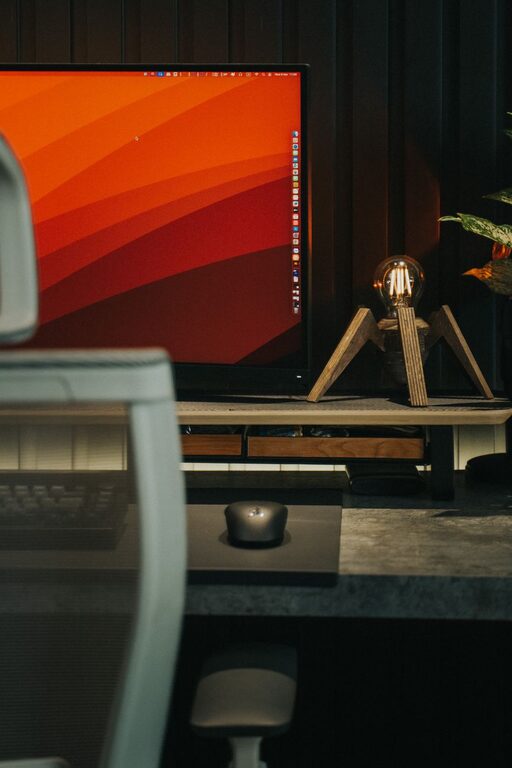
Why Focus Can Be Difficult at Home
Working from home offers flexibility, but it also creates distractions that are less common in a traditional office. Household tasks, notifications, family activity, and the temptation to check personal messages can interrupt your attention. Without clear boundaries, the workday may also feel longer and less organized.
The good news is that better focus does not require a complicated system. Small changes to your workspace, schedule, and daily habits can make it easier to concentrate and complete important tasks.
Create a Dedicated Work Area
A dedicated workspace helps your mind connect a specific place with work. If you have a separate office, use it consistently. If space is limited, choose one area of a table or room and keep it organized for work hours.
Try these simple improvements:
- Keep only the tools you need nearby.
- Place your computer where the screen is comfortable to view.
- Reduce visible clutter that may pull your attention away.
- Use a comfortable chair and adjust your setup when needed.
- Keep personal items and entertainment devices outside the immediate work area.
At the end of the workday, tidy the space and put away work materials. This creates a clear transition between working and personal time.
Set a Consistent Work Schedule
A regular schedule gives your day structure and reduces the need to decide what to do next. Whenever possible, begin and end work at about the same time each day. You may not need to follow the exact same schedule every day, but a predictable routine can make it easier to get started.
Before beginning work, create a short opening routine. This might include making a drink, reviewing your calendar, and writing down your top priorities. At the end of the day, close open work tabs, review unfinished tasks, and prepare a starting point for tomorrow.
A clear schedule also helps others understand when you are available. Share your working hours with household members and coworkers when appropriate.
Choose a Few Important Priorities
Long task lists can make it difficult to focus because everything appears equally urgent. Instead, identify two or three important tasks for the day. These should be specific and realistic.
For example, “work on the report” is broad. “Draft the introduction and review the first two sections” gives you a clearer target. Breaking large assignments into smaller actions makes progress easier to see.
You can organize your priorities with a simple list:
- Choose the most important task.
- Estimate how much time it may require.
- Divide it into smaller steps if necessary.
- Choose a second task and a few minor tasks.
- Review your progress before ending the day.
Try to complete the most demanding task during the part of the day when your energy and attention are strongest.
Use Time Blocks to Protect Your Attention
Time blocking means reserving a set period for one type of work. During that block, focus on the selected task instead of switching between unrelated activities. For example, you could schedule one hour for writing, 30 minutes for email, and another hour for project work.
Time blocks do not need to be rigid. They are simply a way to give your attention a clear destination. A basic approach might look like this:
- Choose one task.
- Set a timer for 25 to 50 minutes.
- Work on that task without checking unrelated apps.
- Take a short break.
- Repeat or move to the next planned activity.
Experiment with different time periods to find what works best for you. Some tasks may require longer periods, while routine work may fit into shorter blocks.
Reduce Digital Distractions
Digital interruptions can break your concentration even when they last only a few seconds. Turn off nonessential notifications on your computer and phone during focused work. If you need to remain available, keep only necessary alerts enabled.
You can also make distractions less convenient by:
- Closing unused browser tabs.
- Signing out of personal social media accounts.
- Using a separate browser profile for work.
- Keeping your phone out of reach during focus periods.
- Checking email and messages at planned times.
Avoid trying to respond to every message immediately. If your role allows it, let coworkers know when you are focusing and when you will be available again.
Plan Breaks Instead of Waiting for Exhaustion
Breaks are part of productive work, not a sign that you are losing time. Short pauses can help you return to a task with a clearer mind. Standing up, walking around, stretching, or getting water can provide a useful reset.
Plan breaks between work blocks and take a longer pause for lunch. Step away from your workspace when possible. Using your break to stare at another screen may not provide the same change of pace as moving around or looking away from your devices.
Keep breaks contained by setting a timer if you tend to lose track of time. The goal is to refresh your attention without allowing a short pause to become an unplanned interruption.
Set Boundaries Around Household Distractions
Working from home can make personal responsibilities feel constantly available. Create practical boundaries that match your situation. This may include closing a door, using headphones, or placing a sign near your workspace to show that you should not be interrupted.
If you share your home with others, discuss your schedule and agree on signals for urgent matters. You can also plan household tasks for before or after work rather than handling them throughout the day.
It is not always possible to eliminate interruptions. When one occurs, write down where you stopped before addressing it. This makes it easier to return to the task without spending extra time remembering what you were doing.
Keep Your Energy Steady
Focus depends on more than time management. Regular meals, water, movement, and adequate rest can all support a more consistent workday. Keep water nearby and avoid skipping meals when you are busy.
Add simple movement to your routine. Walk during a phone call, stretch between tasks, or take a short walk during lunch. These small actions can help break up long periods of sitting and provide a mental reset.
Also, notice when your energy changes during the day. Schedule detailed or creative work during your stronger periods, and save routine tasks for times when your concentration naturally drops.
Review What Works
Improving focus is an ongoing process. At the end of each week, spend a few minutes reviewing your routine. Ask yourself:
- Which tasks were easiest to complete?
- When did I feel most focused?
- What interruptions appeared most often?
- Did my workspace support concentration?
- Which one change should I try next week?
Make one or two adjustments at a time. Small, consistent improvements are easier to maintain than a complete routine overhaul. With a suitable workspace, clear priorities, planned breaks, and fewer interruptions, working from home can become more focused and manageable.
About the Author