Blank walls can make a room feel unfinished, but decorating them does not have to be expensive or complicated. With a few basic supplies and some creative thinking, you can make attractive wall decor that reflects your style and fits your space.
These easy DIY ideas work well in living rooms, bedrooms, home offices, entryways, and other areas. Many can be completed in an afternoon, and several use materials you may already have at home.
1. Create a Simple Gallery Wall
A gallery wall is an easy way to display favorite photos, prints, postcards, or small artwork. It can look polished without requiring every frame to match.
How to make it
- Gather several pieces of art, photographs, or printed designs.
- Choose frames in a similar color or mix different styles for a relaxed look.
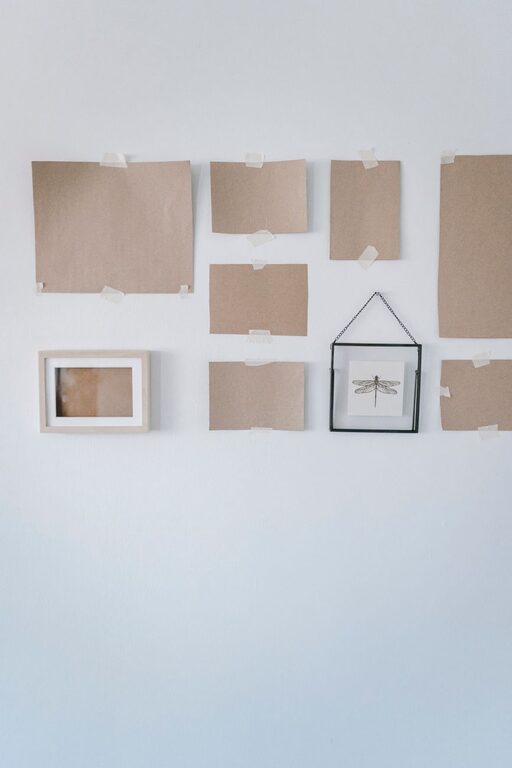
- Arrange the frames on the floor before hanging them.
- Leave a consistent amount of space between each piece.
- Transfer the arrangement to the wall using removable hooks or picture-hanging strips.
For a balanced display, place the largest piece near the center and arrange smaller pieces around it. You can also create a theme, such as travel photos, botanical prints, family memories, or black-and-white images.
2. Make a Fabric Wall Hanging
Fabric wall hangings add warmth, texture, and color without making a room feel crowded. This project is especially useful for decorating a bedroom, reading corner, or home office.
What you need
– A piece of fabric
– A wooden dowel or smooth stick
– Twine or cord
– Scissors
– Fabric glue or a sewing kit
Cut the fabric to your preferred size. Fold the top edge over the dowel and secure it with fabric glue or simple stitches. Tie twine to both ends of the dowel for hanging.
For extra detail, add fringe, ribbon, felt shapes, or fabric paint. You can use a patterned textile for a bold look or choose a neutral fabric for a calm, understated design.
3. Display a Collection of Baskets
Decorative baskets can serve as both wall art and practical storage. A group of baskets in different sizes creates an interesting arrangement while adding natural texture.
Choose lightweight baskets with flat or slightly curved backs. Arrange them in a cluster, either in a loose organic pattern or in neat rows. Use sturdy wall hooks that are suitable for the weight of the baskets.
This idea works well above a sofa, console table, or bed. For a coordinated appearance, select baskets made from similar materials, such as seagrass, rattan, or woven cotton.
4. Design a Painted Accent Shape
You do not need to paint an entire wall to create a noticeable update. A painted arch, half-circle, rectangle, or color block can act as a simple backdrop for shelves, artwork, or furniture.
Steps to try
- Decide on the shape and position.
- Lightly mark the edges with a pencil.
- Use painter’s tape along straight edges.
- For a curved shape, create a guide with a string, pencil, and thumbtack.
- Apply two thin coats of interior wall paint.
- Remove the tape carefully while the final coat is still slightly damp.
Soft colors can create a peaceful atmosphere, while a bright shade can highlight a small reading nook or entryway. Test the paint color on a small area first to see how it looks in the room’s lighting.
5. Turn Pages Into Framed Art
Old calendars, music sheets, maps, and book pages can become attractive wall art. This is a useful way to give unused paper a second life.
Select pages with colors or designs that complement your room. Place each page in a simple frame, or mount several pages on a larger backing board. For a modern look, use matching frames and equal spacing. For a more casual arrangement, mix frame sizes and styles.
If the paper is valuable or delicate, avoid permanent adhesives. Use photo corners or removable mounting methods so the pages can be taken out later.
6. Make a Photo Clothesline
A photo clothesline offers a casual alternative to framed pictures. It is easy to update and works well in bedrooms, offices, dorm rooms, and family spaces.
Attach two small hooks to the wall and stretch a length of twine between them. Use mini clothespins to hang photographs, postcards, notes, or small artwork. Add a second or third line below the first for a fuller display.
Keep the arrangement neat by using similarly sized prints, or make it more playful with a mixture of shapes and colors. You can change the display each season or whenever you want a fresh look.
7. Build a Floating Shelf Display
A small floating shelf gives you a flexible place to display art, plants, books, candles, and small decorative objects. It also helps keep the wall from looking flat.
Choose a shelf that suits the size of the wall. On a narrow wall, one shelf may be enough. On a larger wall, install two or three shelves with even spacing.
When styling the shelf, combine objects with different heights and shapes. Place the tallest item toward one side, then balance it with smaller pieces. Leave some open space so the display feels intentional rather than crowded.
Always use mounting hardware designed for your wall type and the weight of the shelf and its contents.
8. Create a Nature-Inspired Display
Natural materials can bring a fresh, relaxed feeling indoors. Pressed leaves, dried flowers, small branches, and grasses can all be used to create simple wall decor.
Place pressed leaves or flowers inside glass frames for a clean, botanical display. You can also tie dried stems together and hang them from a hook or a small wooden dowel.
Choose natural items that are fully dry before displaying them. Keep them away from damp areas and direct sunlight to help preserve their color and condition.
Tips for Better DIY Wall Decor
A few planning steps can make your project easier and improve the final result:
– Measure the wall before buying supplies.
– Use paper templates to test the arrangement.
– Keep artwork at a comfortable viewing height.
– Repeat one or two colors throughout the display.
– Mix textures, but avoid using too many competing patterns.
– Use removable hanging products when you are renting.
– Check the weight of each item before choosing hardware.
– Step back from the wall regularly to review the layout.
Most importantly, choose decor that you enjoy seeing every day. Handmade pieces do not need to look perfect. Their character and personal meaning are often what make them special.
With simple materials and a little planning, a blank wall can become a colorful gallery, a useful display, or a calming focal point. Start with one small project, then build your wall decor collection over time.
About the Author