A living room refresh does not have to involve new furniture, expensive renovations, or a complete design overhaul. Small, thoughtful changes can make the space feel brighter, more comfortable, and better suited to your daily life.
The key is to work with what you already have. Rearranging furniture, improving lighting, adding texture, and reducing clutter can create a noticeable difference. Here are practical ideas to help you update your living room while keeping costs under control.
1. Start With a Fresh Layout
Before buying anything, try rearranging the furniture. A new layout can make the room feel larger and improve how people move through the space.
Begin by removing small items from the room so you can see the basic shape more clearly. Then experiment with different arrangements:
– Move the sofa away from the wall, if the room allows.
– Create a clear conversation area around a coffee table.
– Angle a chair toward the sofa instead of placing every piece against a wall.
– Keep walkways open and easy to use.
– Move furniture away from windows to make the most of natural light.
You may discover that the room already has everything it needs. It simply needs a different arrangement.
2. Declutter and Edit Your Decor
Refreshing a room often starts with removing items rather than adding more. Too many accessories can make a space feel crowded and make favorite pieces less noticeable.
Use a simple editing process. Collect decorative objects, books, pillows, and other loose items in one place. Sort them into three groups:
- Keep in the living room
- Move to another room
- Donate, recycle, or discard
Return only the items that are useful, meaningful, or attractive. Leave some open space on shelves, tables, and cabinets. A less crowded room can feel calmer and more intentional.
3. Rearrange Shelves and Display Areas
Open shelves and bookcases can change the character of a living room. You do not need new accessories to create a different look. Rearranging existing items can be enough.
Try grouping objects by height and placing larger pieces near smaller ones. Stack a few books horizontally, then place a small decorative item on top. Add empty space between groups so the shelves do not look overly busy.
For a balanced display, combine different types of items, such as:
– Books
– Framed photographs
– Small plants
– Baskets
– Vases
– Candles
– Travel souvenirs
Change the arrangement every few months to keep the room feeling fresh.
4. Add Affordable Textiles
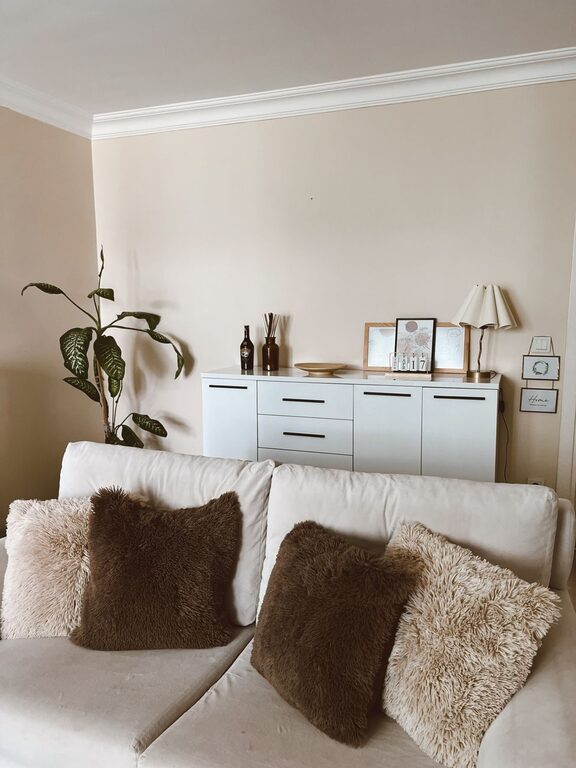
Textiles are one of the easiest ways to introduce color, pattern, and comfort. A few new or repurposed fabric items can make an older sofa or chair feel updated.
Consider adding or changing:
– Throw pillows
– A lightweight blanket
– Curtains
– A washable area rug
– A fabric ottoman cover
– A table runner for a console table
For a coordinated look, choose one main color and one or two supporting shades. You can mix patterns, but keep at least one element consistent, such as color, fabric, or pattern scale.
If you already own several pillows, try switching their covers rather than replacing the inserts. Seasonal covers can also make it easy to update the room throughout the year.
5. Improve the Lighting
Lighting strongly affects how a living room feels. A room with only one overhead fixture may appear flat or uninviting, even when the furniture and decor are well chosen.
Add layers of light using affordable options such as:
– A floor lamp beside a reading chair
– A small table lamp on a side table
– Battery-powered lights inside shelving
– A warm-toned bulb in an existing fixture
– A string of subtle lights around a display area
Use curtains that allow natural light into the room while still providing privacy. Clean windows and light-colored window treatments can also help the space feel brighter without adding anything new.
6. Create a Simple Accent Wall
An accent wall can add personality without requiring a full-room paint project. Choose a wall that naturally draws attention, such as the wall behind the sofa or television.
If paint is not an option, consider temporary alternatives:
– Removable wallpaper
– A large textile or woven wall hanging
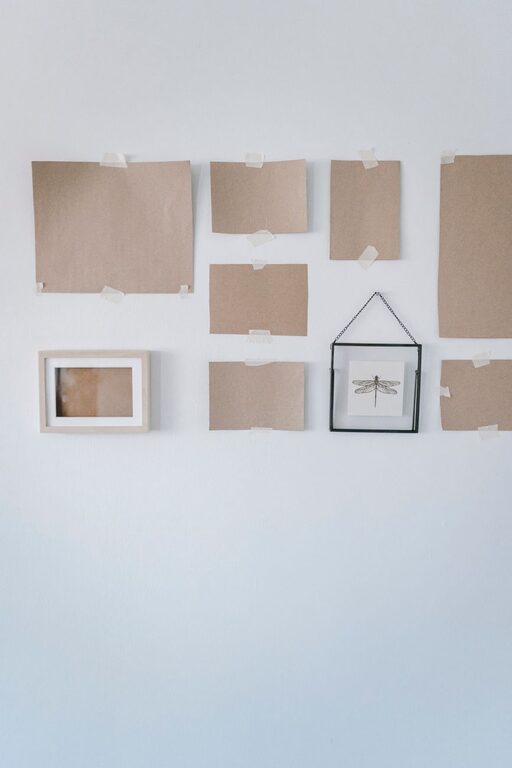
– A gallery wall
– A collection of framed prints
– A carefully arranged group of mirrors
When using removable products, follow the manufacturer’s instructions and test a small area first. The goal is to create a focal point, not to make every wall compete for attention.
7. Make a Gallery Wall From What You Have
A gallery wall does not need to be made entirely of expensive artwork. Family photographs, postcards, children’s drawings, calendars, fabric samples, and pages from old books can all become part of a display.
For a neat appearance, use frames in a similar color or style. For a more relaxed look, mix frame finishes while keeping the spacing consistent.
Before hanging anything, arrange the frames on the floor. Take a quick photograph of the layout so you can refer to it while placing the pieces on the wall. Leave a few inches between frames for a connected but uncluttered arrangement.
8. Bring in Plants or Natural Elements
Plants can add color, texture, and life to a living room. If you do not want to care for live plants, use dried branches, flowers, or realistic artificial varieties.
Place greenery in a few different locations rather than grouping everything in one corner. A plant beside a window, a small arrangement on a coffee table, and a trailing plant on a shelf can create a balanced effect.
Choose containers that work with your existing decor. Plain baskets, ceramic pots, or repurposed jars can serve as affordable planters.
9. Update Small Furniture Pieces
Replacing a large sofa can be costly, but smaller furniture pieces are often easier to refresh. Look at side tables, stools, cabinets, and ottomans.
You might be able to:
– Paint a wooden side table
– Replace cabinet knobs
– Add peel-and-stick material to a drawer front
– Refinish a small tabletop
– Cover an ottoman with new fabric
– Add casters to a storage piece
Clean and inspect each item before starting. Use products suited to the material, and allow finishes to dry fully before returning the furniture to the room.
10. Style the Coffee Table
A coffee table can act as the center of the living room. Keep the arrangement simple and practical so the surface remains usable.
A basic formula is to combine three elements:
– Something tall, such as a vase or candle
– Something flat, such as a tray or stack of books
– Something textured, such as a bowl, plant, or woven basket
Use a tray to group smaller objects. This makes the display look organized and allows you to move everything quickly when you need more space.
11. Add More Useful Storage
Clutter can return quickly if everyday items do not have a designated place. Add attractive storage that supports how your household uses the room.
Baskets can hold blankets, toys, magazines, or electronics. A storage ottoman can provide both seating and concealed space. Wall-mounted shelves can use vertical space without taking up much floor area.
Keep frequently used items easy to reach, while storing less-used items in cabinets or labeled containers. Good organization can make the room feel refreshed long after the decorating work is finished.
12. Choose One Finishing Detail
After making several small changes, choose one final detail to bring the room together. This could be a new mirror, a colorful vase, a framed print, or a large cushion.
Avoid adding items simply to fill empty space. Instead, choose something that supports the room’s colors, improves function, or reflects your personal style.
A Simple Weekend Refresh Plan
If you want to update the room quickly, follow this order:
- Remove clutter and clean the main surfaces.
- Rearrange the furniture.
- Wash curtains, blankets, and pillow covers.
- Change the lighting or replace bulbs.
- Restyle shelves and the coffee table.
- Add one textile, plant, or wall feature.
- Step back and remove anything that feels unnecessary.
A successful living room refresh is less about spending and more about making deliberate choices. By reworking the layout, editing your belongings, improving lighting, and adding a few well-chosen details, you can create a space that feels comfortable, polished, and personal without starting from scratch.
About the Author