A tidy fridge and pantry can make everyday cooking easier, reduce food waste, and help you shop with confidence. The key is not perfection. It is creating a simple system that makes items easy to find and easy to put away.
With a few storage habits and a regular maintenance routine, you can keep your kitchen organized without spending hours rearranging it.
Start With a Complete Clear-Out
Before organizing, remove everything from the fridge and pantry. Working one area at a time can make the process more manageable.
As you empty each space, check every item and place it into one of four groups:
– Keep and use soon
– Keep and store
– Donate, if appropriate
– Discard
Check dates, packaging, and overall condition. Follow the storage instructions on each product, and discard anything that is leaking, damaged, or clearly spoiled. If you are unsure about an item, it is usually better not to keep it.
Wipe empty shelves, drawers, and pantry surfaces before returning food. Use warm, soapy water and a clean cloth. Let surfaces dry fully so that containers and packages do not become damp.
Organize Your Fridge by Zones
A fridge is easier to maintain when each area has a purpose. The exact layout may vary by model, but the following zones work well for most kitchens.
Upper Shelves
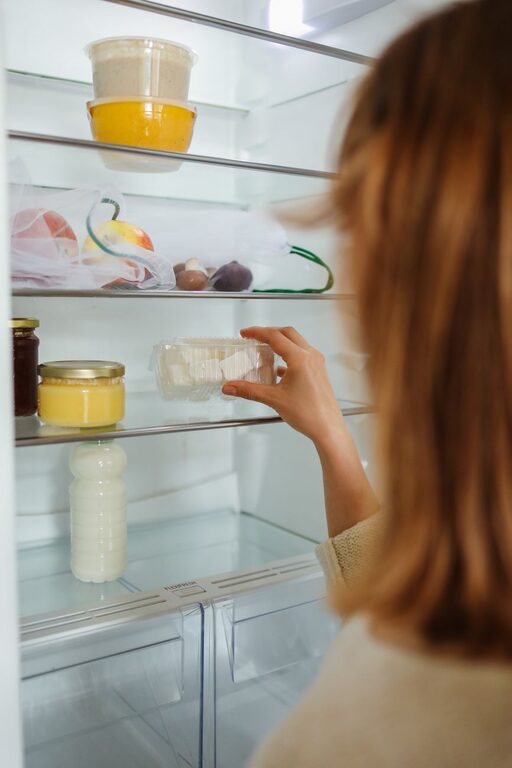
Use upper shelves for ready-to-eat foods, leftovers, drinks, and frequently used items. Keeping these foods at eye level helps you remember to use them.
Place leftovers in clear, covered containers whenever possible. Add a label with the name and date so you can quickly identify what is inside.
Lower Shelves
Store items that need a stable, cooler area on the lower shelves. This may include sealed ingredients, dairy products, or foods you plan to cook.
Keep raw ingredients in leakproof containers and place them below ready-to-eat foods. This helps protect other items if a package drips or spills.
Drawers
Use drawers to group produce and other similar foods. Avoid overfilling them, since crowded drawers make it harder to see what you have.
If your fridge has humidity controls, follow the manufacturer’s guidance. Otherwise, keep produce dry and remove spoiled pieces promptly so they do not affect nearby items.
Door Shelves
Use the door for condiments, sauces, spreads, and other items that are less sensitive to small temperature changes. Arrange bottles by type and height so you can see what is available.
Avoid treating the door as extra general-purpose space. A crowded door makes items difficult to find and can lead to spills.
Use Containers That Make Food Visible
Clear containers are useful because they allow you to see the contents without opening each one. Choose a few container sizes that stack neatly rather than buying many different shapes.
Helpful container habits include:
– Use shallow containers for leftovers so they are easy to see.
– Keep similar foods together in matching containers.
– Use airtight containers for opened dry goods.
– Store small items in a tray or bin.
– Replace damaged lids and containers that no longer seal properly.
Do not fill containers beyond a practical level. Leaving a little space makes them easier to handle and helps prevent spills.
Create a Pantry Layout That Fits Your Routine
Organize your pantry according to how you use it, not only by food type. Frequently used items should be at eye level or within easy reach. Less-used supplies can go on higher shelves.
You might create zones for:
– Breakfast foods
– Baking ingredients
– Grains and pasta
– Canned goods
– Snacks
– Spices and seasonings
– Drinks
– Cooking oils and sauces
Use bins or baskets to group loose packages. For example, keep snack bars in one bin and baking supplies in another. This prevents small packages from spreading across several shelves.
If you have children, place suitable snacks on a lower shelf or in an easy-to-reach basket. This can make the pantry more convenient for everyone and reduce unnecessary searching.
Arrange Items So Older Foods Come First
When putting food away, move older items to the front and place newer items behind them. This simple habit is often called “first in, first out.”
It works especially well for:
– Cans
– Boxes of pasta or grains
– Baking ingredients
– Breakfast foods
– Sauces and condiments
You do not need to reorganize the entire pantry every time you shop. Simply check the shelf before adding a new item and move older products forward if needed.
Label Opened Foods and Leftovers
Labels make it easier to track what you have and when it should be used. You can use removable labels, masking tape, or a washable marker on suitable containers.
Include:
– The name of the food
– The date it was opened or prepared
– Any useful cooking notes
Keep labels facing outward so they can be read without moving every container. For dry goods transferred from their original packaging, include the product name and any relevant preparation details.
Make Shopping Part of the System
A tidy fridge and pantry begin with thoughtful shopping. Before heading to the store, take a quick look at shelves, drawers, and commonly used ingredients.
Make a list based on what you already have. If you find several similar products, decide which one you are most likely to use before buying another.
It can also help to leave a little free space in both areas. A completely full fridge or pantry is harder to clean, and new groceries have nowhere to go.
Follow a Simple Maintenance Routine
A short routine is easier to maintain than an occasional major cleanout. Try these habits:
Daily
– Return items to their assigned zones.
– Wipe up spills as soon as they happen.
– Put leftovers in covered containers.
– Check the fridge before planning meals.
Weekly
– Review produce and foods that should be used soon.
– Move older items to the front.
– Wipe visible spills and crumbs.
– Make a shopping list based on what is missing.
Monthly
– Remove all items from one shelf or section.
– Check dates and packaging.
– Clean the shelf, drawer, or bin.
– Adjust the layout if your routine has changed.
You can divide monthly cleaning into smaller tasks rather than doing the whole fridge and pantry at once.
Keep the System Flexible
Organization should support your household, not create extra work. If a system is difficult to follow, simplify it.
You may discover that certain categories need more space during busy seasons or that some items are better stored in a different location. Adjust shelves, bins, and labels as your needs change.
The most effective setup is one where every item has a clear home, food is easy to see, and putting groceries away takes only a few minutes. With regular small habits, your fridge and pantry can stay tidy, practical, and ready for the next meal.
About the Author